Spider Veins vs. Varicose Veins: What's the Difference (And Which Treatment Do You Need?)
Spider Veins vs. Varicose Veins: What’s the Difference (And Which Treatment Do You Need?)

If you have noticed red, blue, or purple veins on your legs, you may be wondering: Are these spider veins or varicose veins: and do they need treatment?
The answer depends on more than appearance. Spider veins and varicose veins differ in size, depth, symptoms, and potential connection to chronic venous insufficiency. Your best treatment option also depends on what is happening beneath the skin.
At La Jolla Vein & Vascular, we begin with an ultrasound-first evaluation whenever symptoms or larger veins suggest underlying venous disease. That allows our board-certified and fellowship-trained vascular specialists to recommend care based on your anatomy, ultrasound findings, lifestyle, and goals: not a one-size-fits-all procedure.
A Clearer, More Confident Understanding
Spider Veins Are Small and Close to the Skin
Spider veins are tiny, web-like veins that appear just beneath the skin’s surface. They may look like:
- Fine red, blue, or purple lines
- Branching patterns that resemble a spider web or tree
- Small clusters on the thighs, calves, ankles, or face
- Flat or only slightly raised marks
Spider veins are usually superficial and often do not cause symptoms. Many patients pursue spider veins removal because they feel self-conscious wearing shorts, dresses, or swimwear: not because the veins are medically dangerous.
However, spider veins can occasionally occur alongside deeper venous reflux. Extensive clusters around the inner ankle, for example, may warrant a more complete evaluation, particularly if you also experience swelling, aching, or skin changes.
Varicose Veins Are Larger, Raised, and More Likely to Cause Symptoms
Varicose veins are enlarged veins that may appear twisted, rope-like, or bulging. They are commonly seen on the calves, thighs, and around the knees or ankles.
Unlike most spider veins, varicose veins are often:
- Clearly raised or palpable
- Several millimeters in diameter
- Blue, green, or purple
- Associated with aching, heaviness, itching, or swelling
- Connected to an underlying problem with venous valves
Healthy leg veins use one-way valves to help return blood to the heart. When those valves do not close properly, blood can flow backward, or reflux, and pool in the legs. Over time, this pressure may contribute to varicose veins and chronic venous insufficiency, also called venous reflux disease.
Spider Veins vs. Varicose Veins: The Practical Difference
| Feature | Spider Veins | Varicose Veins |
|---|---|---|
| Appearance | Fine, web-like lines | Twisted, rope-like, bulging veins |
| Size | Small and superficial | Larger and more prominent |
| Texture | Usually flat | Often raised or lumpy |
| Symptoms | Usually none; occasional itching or burning | Aching, heaviness, swelling, cramps, itching, or pain |
| Typical concern | Cosmetic appearance | Cosmetic and/or medical symptoms |
| Common treatments | Sclerotherapy or laser vein treatment | Varithena, thermal ablation, foam sclerotherapy, or other minimally invasive procedures |
| Ultrasound need | Depends on symptoms and vein pattern | Typically important for treatment planning |
The visual difference is helpful, but it is not enough to determine the right treatment. Two people may have veins that look similar while having very different underlying anatomy.
When Are Veins Cosmetic: and When Are They Medical?
Spider Veins Are Often Cosmetic
If your spider veins are small, painless, and limited to the skin’s surface, treatment is often elective and cosmetic. You may still choose treatment to improve your legs’ overall tone and appearance.
Liquid sclerotherapy is commonly used for small spider veins. During this treatment, a physician injects a solution into selected veins, causing them to close and gradually fade as the body reabsorbs them. Laser vein treatment may also be appropriate for certain superficial veins, particularly when treating very small vessels or facial veins.
Results can take time, and more than one treatment may be recommended depending on the number, size, color, and response of the veins.
Varicose Veins May Require Medical Evaluation
Varicose veins are more likely to reflect venous reflux or chronic venous insufficiency: especially when symptoms are present. Consider scheduling an evaluation if you notice:
- Leg aching or throbbing
- Heaviness or fatigue that worsens by the end of the day
- Swelling in the ankles or lower legs
- Night cramps or restless legs
- Itching, burning, or tenderness around a vein
- Skin discoloration near the ankles
- Dry, irritated, thickened, or hardened skin
- Bleeding from a varicose vein
- A sore or ulcer that does not heal
You can learn more about the progression and symptoms of chronic venous insufficiency in our guide to CVI.
Sudden swelling, warmth, redness, or pain in one leg requires prompt medical attention. These symptoms can have several causes, including a blood clot, and should not be evaluated through an online article alone. Seek urgent care for sudden shortness of breath or chest pain.
Why Ultrasound Comes Before Treatment
Better Answers. More Personalized Care.
A surface appearance cannot show which vein is causing the problem. Our specialists use vascular ultrasound to evaluate blood flow, locate reflux, assess the superficial and deep venous systems, and map each patient’s anatomy.
During an ultrasound evaluation, we may assess:
- Whether venous reflux is present
- Which vein segments are affected
- The great or small saphenous veins
- Perforator or connecting veins
- Vein size, depth, and tortuosity
- Whether the treatment concern is primarily cosmetic or medical
This ultrasound-first approach matters because treating only the visible vein may not address the source of the problem. If a larger refluxing vein is feeding smaller surface veins, correcting the underlying issue may be an important part of your treatment plan.
At La Jolla Vein & Vascular, we provide diagnosis and treatment in one comprehensive clinic, so your plan can be developed from your symptoms, examination, ultrasound results, and personal goals.

Which Treatment Might You Need?
Sclerotherapy for Spider Veins and Smaller Varicose Veins
Sclerotherapy uses an injectable medication to close targeted veins. It is frequently chosen for spider veins and smaller surface varicosities.
If you are researching sclerotherapy treatment varicose veins, know that the technique may vary based on the size and location of the vein. Liquid sclerotherapy may be suitable for smaller veins, while ultrasound-guided foam sclerotherapy can be used for veins that are larger or not visible from the skin’s surface.
Read our patient guide to varicose vein sclerotherapy to learn more about the process and what to expect.
Varithena® for Selected Refluxing Veins
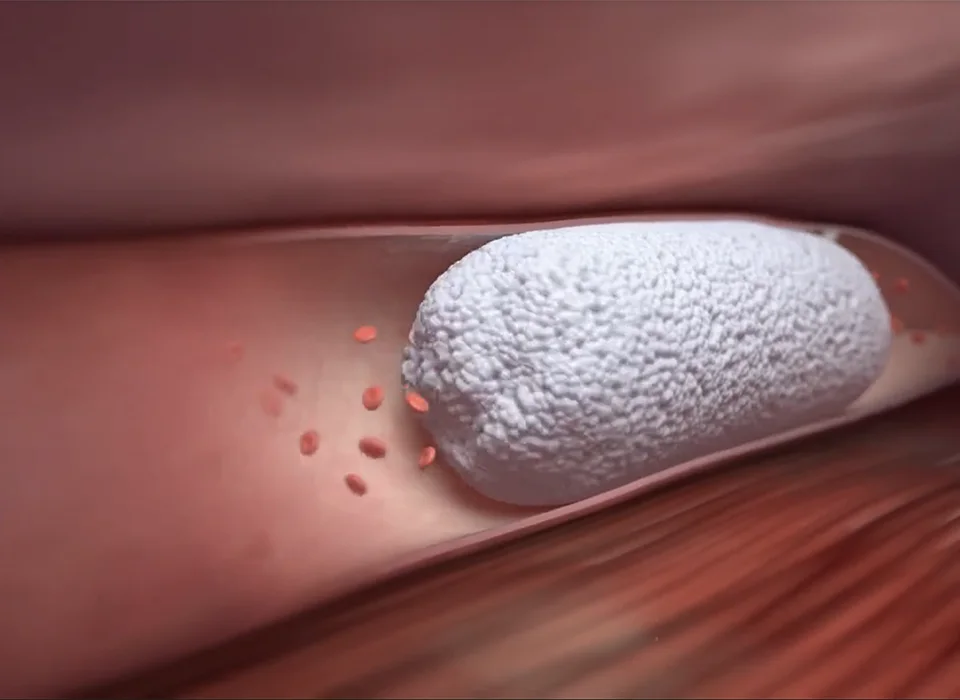
Varithena® is an FDA-approved polidocanol injectable foam used to close certain diseased veins. Under ultrasound guidance, the microfoam is delivered into the vein, where it contacts the vein wall and helps seal the targeted segment.
Varithena® may be recommended when ultrasound shows reflux and when the vein’s location, size, anatomy, or tortuosity makes chemical ablation a good fit. It does not require an incision, general anesthesia, sedation, or thermal energy.
Thermal Ablation for Larger Refluxing Veins
Endovenous laser ablation and radiofrequency ablation use heat delivered through a small catheter to close a diseased vein from within. These minimally invasive procedures may be recommended for larger refluxing veins contributing to symptomatic varicose veins or chronic venous insufficiency.
The procedure selected depends on your ultrasound findings and anatomy. In some cases, thermal ablation is combined with treatment of visible surface veins through sclerotherapy or another minimally invasive technique.
Laser Vein Treatment for Selected Superficial Veins
Surface laser treatment can be useful for certain small spider veins, facial veins, and other superficial vascular concerns. Laser energy targets the vessel while preserving the surrounding skin.
Temporary bruising, swelling, discoloration, or welting may occur. Results often develop gradually over several weeks or months, and sun exposure and vigorous activity may need to be limited for a short period after treatment. Our team will provide instructions specific to your treatment area and health history.

What About Insurance and Treatment Cost?
Insurance coverage depends on your specific plan and whether treatment is considered medically necessary.
In general:
- Cosmetic treatment for uncomplicated spider veins is typically not covered.
- Treatment for symptomatic varicose veins, chronic venous insufficiency, leg swelling, or related conditions may be covered by many plans.
- Your insurer may require documentation of symptoms, ultrasound findings, conservative treatment, or prior authorization.
- Your final out-of-pocket cost depends on your benefits, deductible, copay, coinsurance, and selected treatment.
We believe cost guidance should be transparent and manageable. Our team can help verify your insurance benefits, review potential coverage, and provide an estimate of anticipated expenses. Visit our insurance verification page or call our La Jolla office at 858-550-0330.
Feel More Confident About Your Next Step
You do not have to decide whether you need spider veins removal, sclerotherapy, Varithena®, laser treatment, or ablation by looking at your legs alone.
At La Jolla Vein & Vascular, our board-certified and fellowship-trained vascular specialists bring more than 16 years of focused experience to comprehensive vein care. We offer every FDA-approved minimally invasive vein treatment option in a comfortable, elevated clinical setting, with advanced ultrasound diagnosis and personalized planning at the center of your care.
Whether your priority is symptom relief, healthier legs, improved appearance, or a clearer understanding of your options, we can help you move forward with confidence.
Schedule a personalized vein evaluation at our La Jolla or Vista office.
This article is for educational purposes only and does not replace an evaluation by a qualified healthcare professional. Treatment recommendations, results, recovery, and insurance coverage vary by patient.