Do You Really Need Varicose Vein Treatment? Here’s the Truth
Do You Really Need Varicose Vein Treatment? Here’s the Truth

Seeing varicose veins can raise an important question: Do you actually need treatment, or are the veins only a cosmetic concern?
The honest answer is that it depends on your symptoms, vein health, ultrasound findings, and personal goals. Some varicose veins do not require medical treatment. Others are signs of underlying venous reflux or chronic venous insufficiency and may gradually contribute to pain, swelling, skin changes, or leg ulcers.
At La Jolla Vein & Vascular, we believe you deserve a clear answer: not a one-size-fits-all recommendation. Our board-certified and fellowship-trained vascular specialists evaluate the full picture before recommending observation, lifestyle measures, or minimally invasive vein treatment.
Start With What Your Veins Are Telling You
Varicose veins are enlarged, twisted veins that commonly appear in the legs. They develop when one-way valves inside the veins do not close properly. Instead of moving efficiently back toward the heart, some blood flows backward and pools in the lower leg. This backward flow is called venous reflux.
You may notice:
- Bulging, blue, or purple veins
- Aching or throbbing
- A heavy, tired feeling in the legs
- Itching or burning
- Ankle or lower-leg swelling
- Night cramps or restless legs
- Symptoms that worsen after standing or sitting
- Skin discoloration near the ankles
Not every visible vein indicates serious disease. However, symptoms may suggest that the problem extends beneath the skin.

When Treatment May Not Be Necessary
If your veins are small, cause no symptoms, and do not concern you cosmetically, treatment may not be medically necessary. Your specialist may recommend monitoring and practical measures instead of a procedure.
These measures can include:
- Walking regularly to activate the calf-muscle pump
- Taking breaks from prolonged sitting or standing
- Elevating your legs when they feel tired or swollen
- Maintaining a healthy weight
- Wearing compression garments when recommended
- Avoiding tobacco use
- Discussing any persistent symptoms with a qualified clinician
These steps may help manage discomfort and support circulation, but they do not repair faulty vein valves. If symptoms continue or progress, a vascular evaluation can help determine whether additional care is appropriate.
You may also choose treatment for appearance alone. Spider veins and smaller surface veins can often be treated cosmetically, even when there is no medical necessity. The right approach depends on the size, location, depth, and pattern of the veins.
When Varicose Vein Treatment Is Worth Considering
Treatment becomes more important when varicose veins affect how you move, sleep, work, or feel throughout the day.
You should consider scheduling an evaluation if you experience:
Persistent Pain, Heaviness, or Fatigue
Leg discomfort that repeatedly returns: particularly after standing or sitting: may be related to venous reflux. You should not have to organize your day around tired, aching legs.
Recurrent Swelling
Swelling around the ankles or lower legs may occur when blood and fluid remain under increased pressure. If swelling improves overnight but returns during the day, mention it during your evaluation.
Night Cramps or Restless Legs
Night cramps and restless legs can have multiple causes, but venous disease may contribute in some patients. A specialist can help determine whether your symptoms are connected to your veins or require another type of evaluation.
Skin Changes
Darkening, dryness, itching, thickening, or irritation around the ankles can signal progressing chronic venous insufficiency. These changes deserve attention because advanced venous disease can eventually lead to skin breakdown.
Venous Ulcers or Bleeding
Open sores near the ankle or bleeding from a varicose vein require medical attention. Do not attempt to manage a bleeding vein on your own. Apply firm pressure and seek prompt care; call emergency services for heavy or uncontrolled bleeding.
Sudden leg swelling, significant warmth or redness, chest pain, or shortness of breath may indicate an urgent medical problem. Seek immediate medical care if these symptoms occur.
A Better Answer Starts With Ultrasound
A physical examination can identify many visible varicose veins, but it cannot show the complete pattern of blood flow beneath the skin. That is why a duplex venous ultrasound may be recommended.
This noninvasive examination uses sound waves to evaluate:
- The direction of blood flow
- Whether venous reflux is present
- Which veins are affected
- The size and location of the diseased veins
- Whether treatment may be appropriate
- How to plan treatment safely and precisely
At La Jolla Vein & Vascular, diagnosis and treatment planning take place in one comprehensive clinic. We use your ultrasound results, symptoms, anatomy, lifestyle, and goals to create a personalized plan: never a cookie-cutter procedure.
Our physicians, including Medical Director Nisha Bunke, MD, and our fellowship-trained vascular specialists, bring more than 16 years of experience to the evaluation and treatment of venous disease.
What Are Your Treatment Options?
If treatment is recommended, modern care is often minimally invasive and performed without traditional vein-stripping surgery. The best option depends on your anatomy and the location and size of the diseased veins.
Possible treatments may include:
- Endovenous laser or radiofrequency ablation: A small catheter delivers energy inside the diseased vein, causing it to close.
- Varithena® chemical ablation: Ultrasound-guided polidocanol microfoam is injected into selected veins. It does not require incisions, general anesthesia, sedation, or thermal energy.
- Sclerotherapy: A medication is injected into smaller veins, causing them to close and gradually fade.
- Ambulatory phlebectomy: Larger surface veins may be removed through tiny skin openings.
- Laser vein treatment: Certain superficial or cosmetic veins may respond to targeted laser energy.
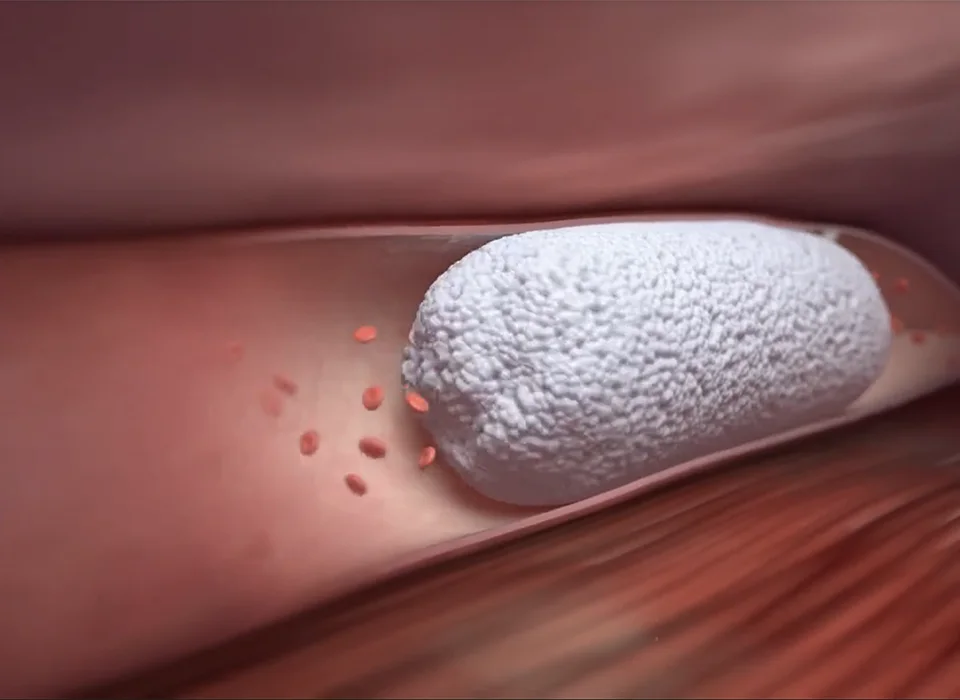
For example, during a Varithena treatment, you may change into shorts, complete the consent process, and have the treatment area cleaned. Your specialist uses ultrasound to locate the vein before injecting the foam through a fine needle. Afterward, your legs may be elevated briefly, compression stockings may be applied, and you will typically walk before leaving the clinic.
Bruising, tenderness, temporary swelling, or skin discoloration can occur with vein procedures. Recovery and the number of treatments vary according to your anatomy, the procedure selected, and how your veins respond.
Will Insurance Cover Varicose Vein Treatment?
Coverage depends on your insurance plan and the reason for treatment. Insurers may consider symptoms, documented venous reflux, ultrasound findings, and whether conservative measures have been tried. Cosmetic treatment is usually evaluated differently from medically necessary treatment.
Because coverage rules vary, we provide insurance verification and cost guidance to help you understand your options. We can work with your insurance provider and provide an overview of anticipated out-of-pocket expenses before treatment whenever possible.
Transparent care includes transparent cost information.
The Truth: You May Not Need Treatment: but You Do Need Answers
Varicose vein treatment is not automatically necessary for every person with visible veins. If your veins are symptom-free and do not concern you, observation may be reasonable.
But pain, heaviness, swelling, night cramps, skin changes, ulcers, or bleeding should not be dismissed as “just varicose veins.” These symptoms may indicate underlying venous disease that deserves evaluation.
At La Jolla Vein & Vascular, we offer full-spectrum vein care for patients throughout La Jolla, Del Mar, San Diego, Vista, North County, and surrounding communities. Our goal is to help you understand what is happening beneath the surface and choose care that fits your health, lifestyle, and goals.
Wondering whether you really need varicose vein treatment? Schedule a personalized vein consultation or learn more about chronic venous insufficiency.

Frequently Asked Questions
Can varicose veins go away on their own?
Varicose veins generally do not disappear on their own. Lifestyle measures may help reduce symptoms, but diseased veins may remain or progress. A vascular evaluation can clarify whether monitoring or treatment is appropriate.
Are varicose veins dangerous?
Many varicose veins are not dangerous, but some are associated with chronic venous insufficiency, inflammation, bleeding, skin changes, or ulcers. Seek prompt medical attention for sudden swelling, severe pain, redness, warmth, or bleeding.
Is varicose vein treatment painful?
Many minimally invasive treatments involve local numbing medicine and are designed to minimize discomfort. You may experience pressure, brief stinging, bruising, tenderness, or temporary swelling. Your expected recovery depends on the treatment selected.
How do I know which vein treatment is best?
There is no single best procedure for every patient. Your specialist will consider your ultrasound results, symptoms, vein size, vein location, anatomy, lifestyle, and treatment goals before making a recommendation.
This article is for educational purposes only and does not replace an evaluation by a qualified healthcare professional. Treatment recommendations vary by patient. If you have severe or sudden symptoms, seek urgent medical care.